
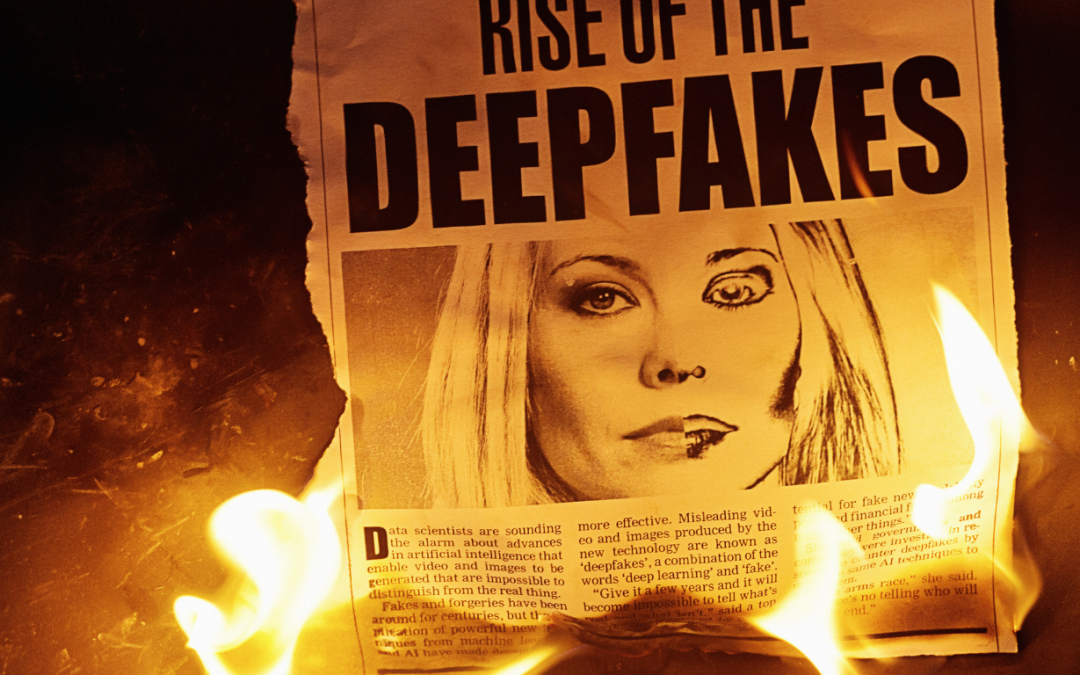
The New Face of Wire Fraud: How Deepfakes Are Targeting Philadelphia Law Firms
A senior partner at a Philadelphia firm gets a video call from what looks exactly like your managing partner — same face, same voice, same mannerisms — asking you to approve a $180,000 wire transfer for a settlement. You do it. Three days later you find out your managing partner never made that call.
This isn’t a hypothetical. Deepfake video fraud is now one of the fastest-growing financial crimes targeting law firms, and Philadelphia firms are not exempt. In January 2024, a finance worker at engineering firm Arup was tricked by a deepfake video call into wiring $25.6 million to criminals. In 2025, researchers tracked 980 confirmed corporate deepfake infiltration cases in a single quarter. If it can happen to a global firm with a dedicated security team, it can happen to a 15-attorney firm on Market Street. The good news: with the right protocols in place, this attack fails before it starts.
Why Law Firms Are the Prime Target
Law firms move large sums of money regularly — escrow disbursements, settlement transfers, operating distributions. That makes them an exceptionally attractive target. Attackers don’t need to break into your systems. They just need to convince one person with wire authority to approve a transfer. And a convincing deepfake video call is far easier to believe than a suspicious email. The video call feels like the ultimate verification, and attackers know it.
How the Attack Actually Works
Modern deepfake tools can generate real-time video of any person using only a few minutes of source footage — LinkedIn profile videos, YouTube interviews, firm website bios. The attacker finds video of your managing partner, trains a model, and can then conduct a live video call that looks and sounds exactly like them.
The Typical Playbook:
-
Attacker does reconnaissance on your firm (website, LinkedIn, public records)
-
Finds video of a senior partner or executive
-
Schedules or initiates an “urgent” video call with someone who has wire authority
-
Impersonates the partner, creates urgency (“this settlement needs to close by 5 PM”), requests the transfer
-
Provides a routing number to a mule account that’s emptied within hours
Gartner’s 2026 survey found 35% of organizations have already experienced a deepfake attack on a video call.
The Tell-Tale Signs (When You Know to Look)
Deepfakes aren’t perfect yet. Current tools can struggle with unnatural blinking, edge artifacts around the hairline, lighting mismatches, slight audio sync lag, and stiff expressions. The catch: most people aren’t watching for any of this. The real defense isn’t human perception — it’s procedure.
What to Do About It: Procedural Defenses That Work
-
Dual-approval on all wire transfers: Any wire above a set threshold (e.g., $10,000) requires sign-off from two people. One video call can’t authorize it alone.
-
Out-of-band verification: Before any wire goes out, call the authorizing person back on a number stored in your phone — not a number provided during the call.
-
Code words for financial requests: Establish a shared verbal passphrase for wire approvals. Deepfakes can’t know a phrase you’ve never said publicly.
-
No same-day wire changes: Any modification to wire instructions (payee, routing number) requires a 24-hour hold. This single policy kills most BEC and deepfake wire fraud cold.
-
Train your staff: Every person who can initiate or approve wires needs to know this attack exists.
The Technology Layer
A managed IT provider can help you implement email security that flags spoofed domains, endpoint detection that catches malware used in the reconnaissance phase, and security awareness training so your staff stays current. The average business deepfake loss in 2024 was $450,000. A callback policy costs nothing to implement.
Abuzz Technologies works with Philadelphia-area law firms to put the right security protocols in place. (215) 600-0349
Abuzz Technologies
Business IT Support, Managed IT Services, and Solutions in and around Philadelphia
Phone: 215.600.0349
Email: [email protected]
Business IT Services and Support in and around Philadelphia
Business iPads and Smartphones

Recent Comments